

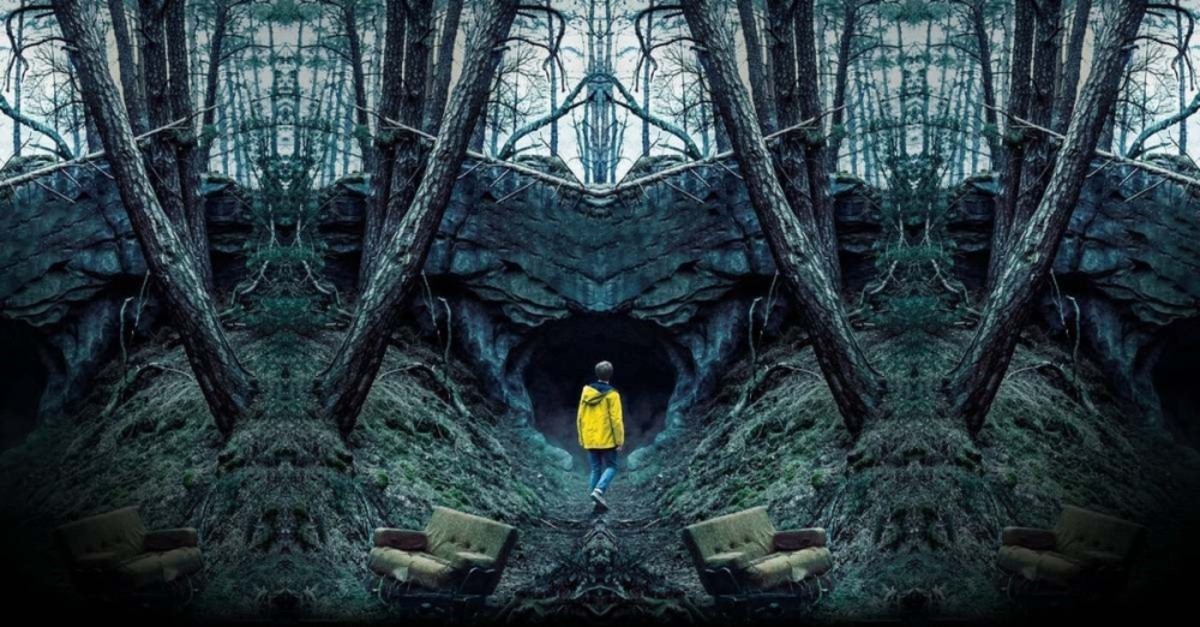
Fig. 1: Dark (Netflix, 2017-20)
After the release of its third and final season in June, mind-boggling time-travel series Dark reached its completion to resounding critical acclaim, making this the right moment to evaluate the first European Netflix original. Set in a small German town, the series reached epic proportions as it unravelled an intricate tale about human connection and loss, abuse and recovery, coincidences, choices and their repercussions, through a multi-layered plot that sprawled across several generations, timelines, even universes. Dark, in my view, marks a major landmark in the history of Netflix, of streaming television, perhaps even of television itself in several ways. In this blog, I explore only the two most distinctive aspects with which the series was identified from the beginning by reviewers and audiences alike. In this first part, I discuss its extremely complex plot, and, in the second part, I focus its status as a European, German series in a predominantly Anglophone global streaming platform. These two elements are more related to each other than it may seem at first, as I discuss more in the second part, where I also outline the ways in which the series’ national identity was constructed with reference to its relation to nostalgia, philosophy and history.
One of the most striking things about Dark was how unapologetically geeky it was since its very first moment, starting with a quotation about time from Alfred Einstein, who turns out to be only one in a number of scientists and philosophers referenced in the script, even directly mentioned in the dialogue. All the talk about dark holes, God particles, and bootstrap paradoxes may have alienated audiences not familiar with or attuned to hard science fiction, even more so when it was delivered to them so blatantly. This was perhaps the weakest aspect of Dark: its dialogue, which could often be rather clunky and wooden (unless you live in an area where your local policeman or schoolteacher tends to randomly throw lines at you like ‘Things have to happen as they always have’). It was rather odd: for a series that always kept its cards very close to its chest about its plotlines and twists, its characters and their relationships, when it came to its themes, to what it was ‘about’, Dark never ceased to explain itself to you over and over again throughout its entire run – so much so that it wouldn’t come as a surprise if some viewers actually felt patronised. Even if this may have been necessary during, say, its first few episodes, it would be hard to blame any audiences leaving a sigh of exasperation at the start of yet another soliloquy on determinism and free will halfway through season 3. It was precisely this type of ‘portentousness’ that Daniel Fienberg was rather critical of in his review of the series:
Dark is the sort of show where, if the teenage characters are sitting in an English class, you know the teacher will be lecturing on the theme of that episode and where, if one character is rehearsing a high school play, that, too, will speak directly to the theme of the series. People are so committed to telling each other and viewers that everything is connected that they even sign letters, ‘Everything is connected’.
But a different way of seeing this aspect of the show is to relate it to one of its two most distinctive features. Dark is clearly an exemplary instance of the type of fictions that have been variously described as either ‘quality’ (Akass & McCabe), ‘peak’, and ‘prestige’ (when the focus is on production and cultural value) or ‘puzzle’ (Buckland), ‘network’ (Narine), and ‘complex’ (Mittell) (if attention is paid to the level of complexity of plot, theme and characterisation). The genre includes novels like David Mitchell’s Ghostwritten (1999) and Kamila Shamsie’s Burnt Shadows (2009), films like Steven Soderbergh’s Traffic (2000) or Alejandro Gonzalez Inarritu’s Babel (2006), television series like Heroes (NBC 2006-10) and Flashforward (ABC 2009-10), whereas origins of this trend may be found in hypertext fictions of the 1990s such as Shirley Jackson’s Patchwork Girl (1995) or Geoff Ryman’s 253 (1996). Identifying features of this genre that I have discussed elsewhere include ‘multiple interlocking narratives’ with ‘many characters’ who get ‘involved in or affected by incidents from another storyline’ as well as a ‘preoccupation with ideas of networking and interconnectedness’ (Mousoutzanis 2) and an interest in ‘the interplay and conflict between the predetermined and the accidental’ (13). Dark clearly epitomises the genre: set in fictional Winden, an overcast town in the shadow of a looming nuclear power plant, the series started with the suicide of Michael Kahnwald (Sebastian Rudolph) and the disappearance of young boy Mikkel Nielsen (Daan Lennard Liebrenz), the second child to go missing within a few weeks. Suspicions that the disappearances were uncannily similar to that of Mads Nielsen (Valentin Oppermann) 33 years ago only launched the unravelling of a serpentine tale set across six major timelines and three universes, involving four families, which amounted to 28 main characters, many of them in three different versions of themselves (from the past, present and future). No wonder Steve Green suggested that the series ‘isn’t so much a puzzle show as a storytelling algorithm’. ‘Watching it’, Taylor Antrim agreed, ‘is like playing three-dimensional chess’. A published timeline diagram visualising the narrative trajectory of only the main character Jonas Kahnwald (Louis Hofmann; Andreas Pietschmann; Dietrich Hollinderbaumer) is most telling: the plot of Dark is what chaos theory describes as a ‘strange attractor’, an area towards which different trajectories in the evolution of a system tend to converge and diverge consistently yet unpredictably – the most well-known being meteorologist Edward Lorenz’s ‘butterfly attractor’, which has become a well-known icon in popular culture used to denote, precisely, interconnectedness.
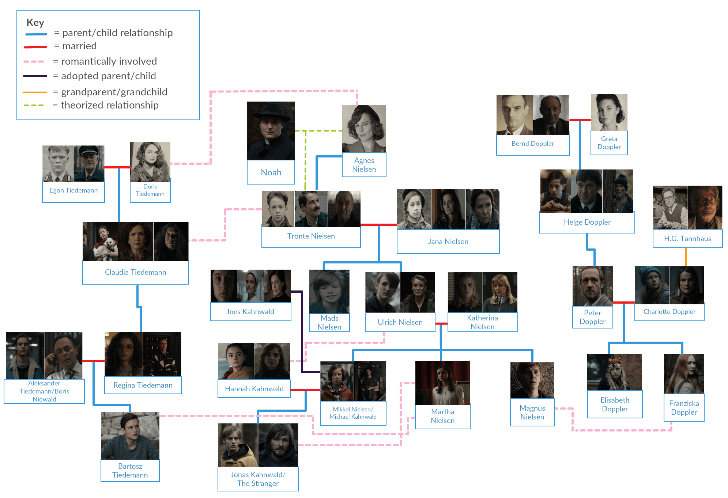
Fig. 2: Dark Character Tree created by purefandom.com
However, it is not just the considerably higher degree of complexity that set Dark apart from other examples of complex television. Unlike earlier series, Dark was not just drawing on complexity, it was also reflecting on it. The frequent dialogues and voiceovers on complexity and interconnectedness already mentioned is only one instance of this self-reflexivity. Another one may be found in the several genealogy charts and character diagrams that fans, Netflix itself and even the show’s characters drew in order to make sense of the plot. Like the audiences, characters themselves often had to look at pictures, documents, letters, charts, police records, newspaper clippings, all posted on walls, with lines drawn to establish connections among them, in an effort to make some sense of the intricate plot they found themselves enmeshed in: at Winden police station, at the town’s underground bunker, at the room of Regina Tiedelmann’s (Deborah Kaufman) hotel where older Jonas spends a few nights in 2019. It is in this sense that we might suggest that what defines Dark is not so much complexity, but something that that could be term as ‘meta-complexity’.
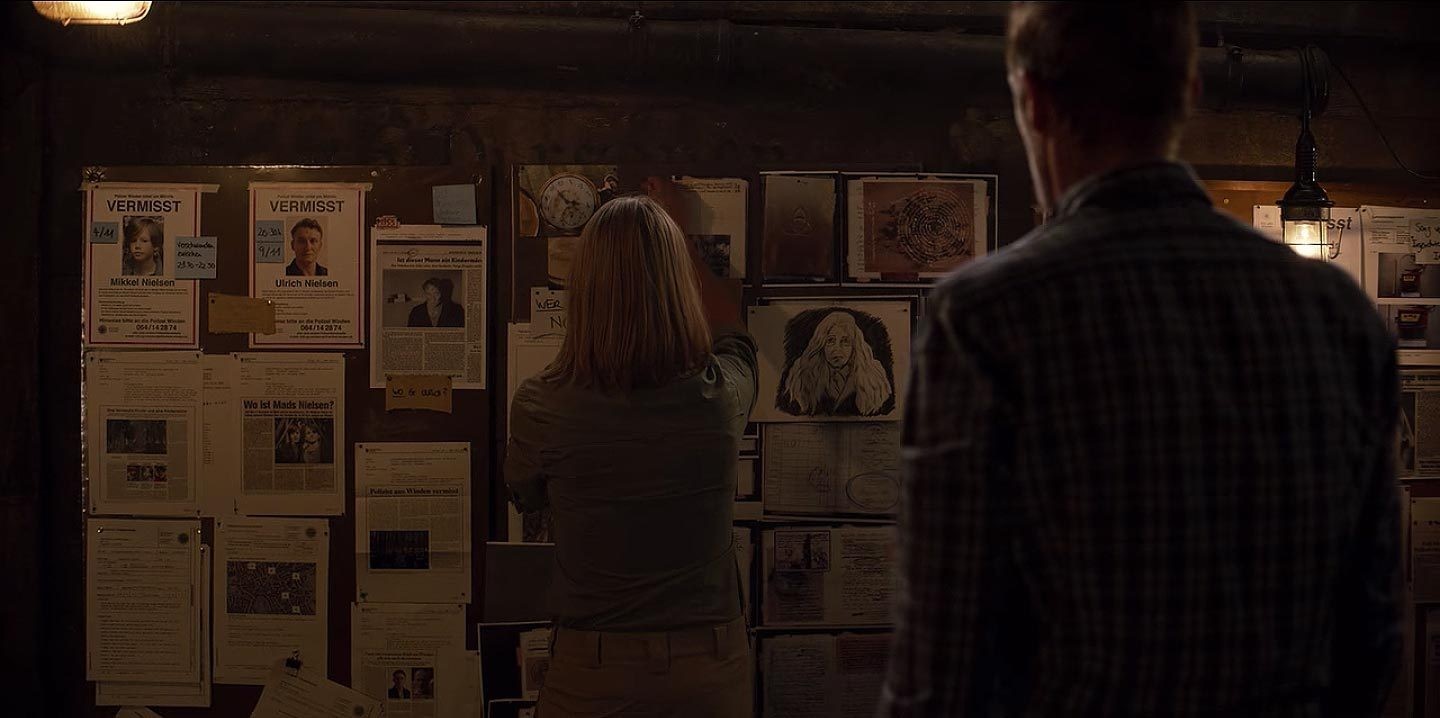
Fig. 3: Meta-complexity in Dark: trying to make sense…
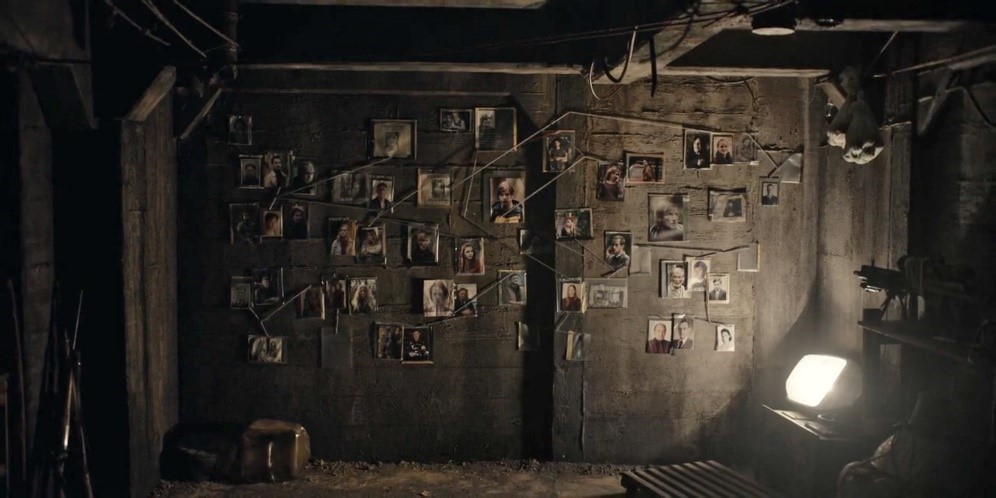
Fig. 3: … of an ever-growing set of characters and …
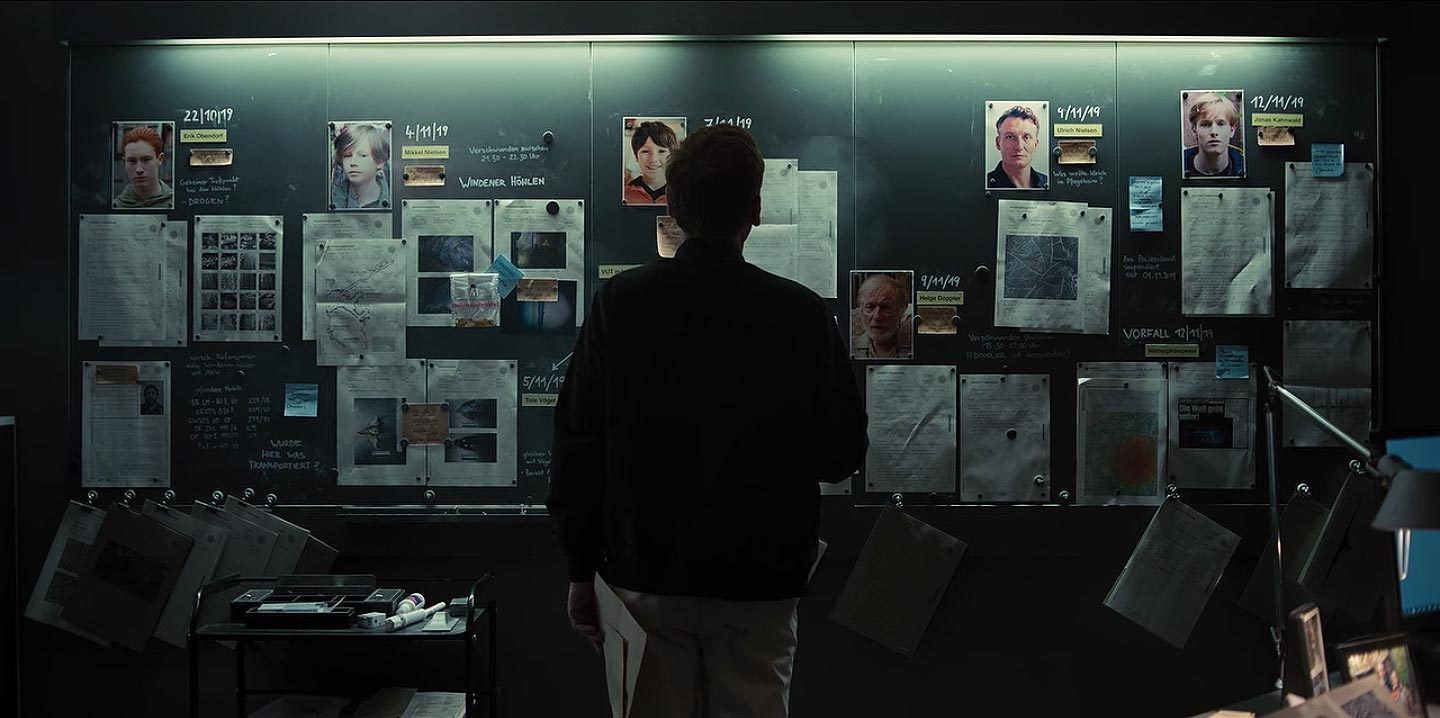
Fig. 4: … evolving maze of narrative strands …
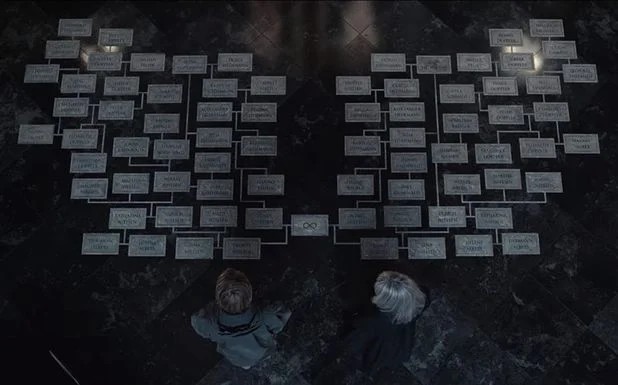
Fig. 5: … until all character relations are traced.
Apart from meta-complexity, there is a second sense in which Dark is distinctive within this genre of network fictions. Other narratives following this tradition tend to engage with stories, themes, concerns endemic to the realities of globalisation. Dark may have been produced by and released in the largest global streaming service, but from the beginning it was very much defined by its national identity, as it was pitched as the first German television series on Netflix. This second aspect and the ways in which it relates to the first will be discussed in the second part of this blog.
Aris Mousoutzanis is a Principal Lecturer in Film & Screen Studies at the University of Brighton. He teaches and researches on popular genre (science fiction; Gothic/horror; (post-)apocalypse; utopia/dystopia); trauma theory and memory studies; media, imperialism and globalisation. He is currently working on a project on utopia and biopower and one on media and nostalgia.
References
Akass, K. and McCabe, J. eds., 2007. Quality Television: Contemporary American Television and Beyond, London: Palgrave.
Barnard, R., 2009. ‘Fictions of the Global’, Novel 42:2, pp. 207-215. http://www.jstor.org/stable/27764307.
Buckland, W., 2014. Hollywood Puzzle Films, London: Routledge.
Mittell, J., 2015. Complex TV: The Poetics of Contemporary Television Storytelling, New York: New York University Press.
Mousoutzanis, A., 2016. ‘Network Fictions and the Global Unhomely’, C21 Literature: Journal of 21st-Century Writings. 4:1, pp. 1-19. DOI: https://doi.org/10.16995/c21.7.
Narine, N., 2010. ‘Global Trauma and the Cinematic Network Society’, Critical Studies in Mass Communication 27:3, pp. 209-234. DOI: https://doi.org/10.1080/15295030903583556.
Rohr, S., 2004. ‘“The Tyranny of the Probable”: Crackpot Realism and Jonathan Franzen’s The Corrections’, Amerikastudien 49:1, pp. 90–105. http://www.jstor.org/stable/41157914.


Many thanks for bringing “Dark” to my attention. Sounds fascinating – definitely one to look out for when it comes to a platform near us. Really captivating description!
All the best
Andrew